

The Balkans are having a moment. A fresh wave of 2026 travel coverage is putting cities such as Tirana, Sarajevo, Sofia, Pristina, and Ohrid on the radar of travelers who want European culture without Western European prices, or endless queues for the same five landmarks.
That attention is deserved. This corner of Europe delivers layered history, dramatic landscapes, excellent food, fast-growing café culture, and some of the best-value city breaks on the continent. It is also unusually well suited to remote workers: central neighborhoods are walkable, mobile data is affordable, Wi-Fi is widely available, and a good coffee can still cost less than a bottled drink elsewhere.
The catch? The region will not stay under the radar forever.
If you want the best balance of comfortable weather, open attractions, and manageable prices, aim for late spring or September through early October. July and August bring the biggest crowds, hottest temperatures, and the sharpest price increases, especially around festivals and the Adriatic coast.
Here are five cities to see while they still feel like discoveries.
1. Tirana, Albania: The energetic gateway
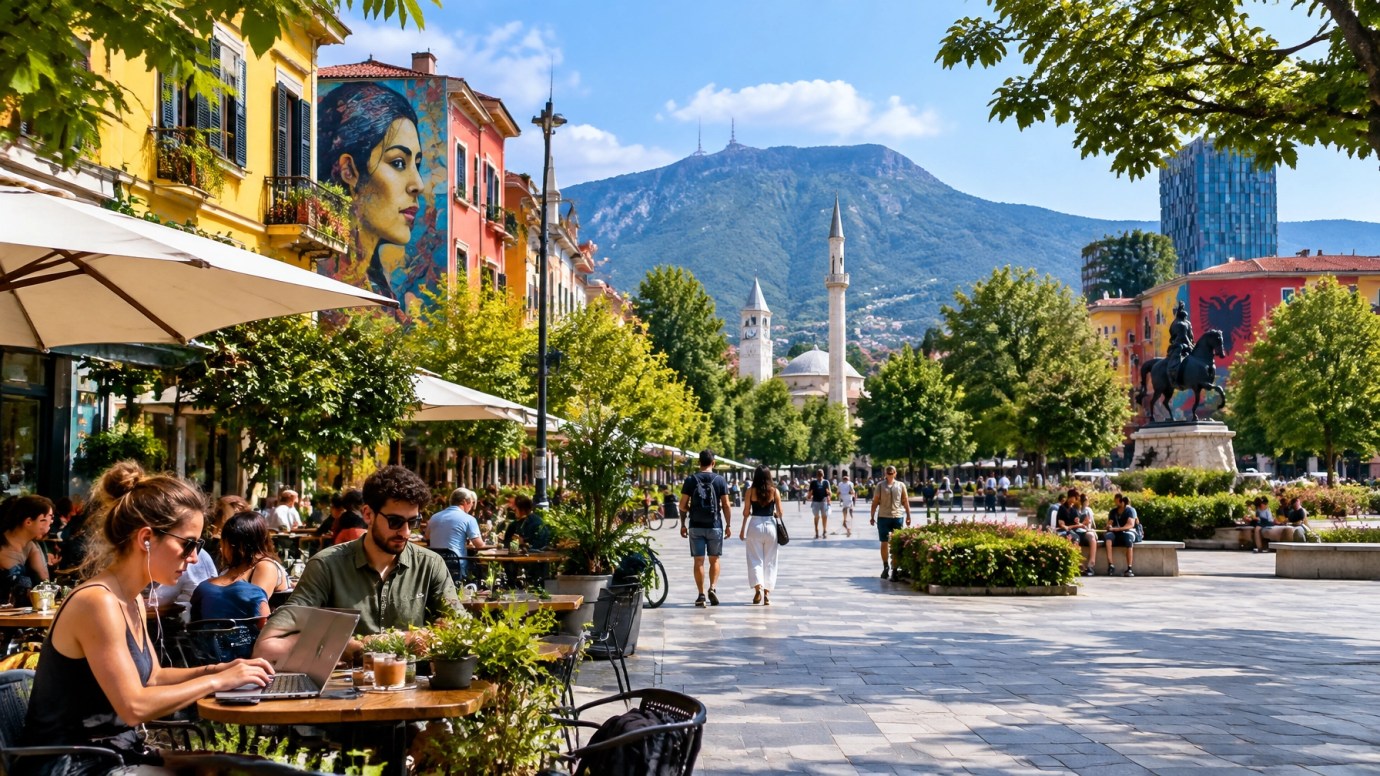
Tirana is not polished in the conventional sense, and that is exactly its appeal. The Albanian capital is colorful, noisy, creative, and constantly changing. Murals brighten concrete apartment blocks, cafés spill onto sidewalks, and new restaurants appear beside old produce markets and communist-era landmarks.
Start around Skanderbeg Square, then walk toward the New Bazaar for food, coffee, and people-watching. The city’s compact center is easy to explore on foot, while Dajti Mountain offers a quick escape when you need fresh air and a wider view.
Tirana also works brilliantly as the first stop on a wider Albanian itinerary. From here, you can head toward Berat, Gjirokastër, or the coast. Our existing Santorini destination guide offers a useful contrast: instead of the Aegean’s famous whitewashed villages, Tirana gives you a more urban, evolving side of southeastern Europe.
Eat: Try byrek from a bakery, tavë kosi for a traditional Albanian meal, and strong espresso at a neighborhood café.
Cost: A careful traveler can manage roughly €30–40 per day with a hostel, inexpensive meals, public transport, and a few paid sights. A comfortable private-room trip is closer to €50–70 per day, excluding flights.
Why now: Tirana is developing quickly, but it has not yet lost its local rhythm. Visit now for the independent cafés, affordable neighborhoods, and easy access to Albania’s mountains and coast.
Honest timing advice: September is ideal. The summer heat has eased, coastal visitors are thinning out, and you can still pair the city with the Albanian Riviera. July and August are livelier, but hotter and more expensive.
2. Sarajevo, Bosnia and Herzegovina: History you can feel

Sarajevo is one of Europe’s most atmospheric cities. In a single walk, you can move from Ottoman-era lanes and copper workshops to Austro-Hungarian facades, modern cafés, and the hills that surround the city.
The historic Baščaršija district is the natural starting point. Order Bosnian coffee, browse handmade metalware, and try ćevapi, grilled minced meat served with flatbread and onions. Then follow the streets outward to discover the city’s layered religious and architectural history.
Sarajevo rewards travelers who slow down. It is not a checklist destination; its character emerges over several days, often in small moments: a conversation over coffee, the call to prayer echoing across the valley, or a quiet evening on a hillside viewpoint.
Eat: Order ćevapi, burek, stuffed vegetables, and Bosnian coffee. Local meals are filling, inexpensive, and made for lingering.
Cost: Budget travelers can usually plan on €35–45 per day. A private room, regular restaurant meals, local transport, and occasional excursions bring the total closer to €55–75 per day.
Why now: Sarajevo is increasingly appearing on Balkan city-break itineraries, but it still feels more intimate than many better-known European capitals. Its combination of history, nightlife, mountain access, and low daily costs is difficult to beat.
Honest timing advice: Come in September or early October for comfortable walking weather and open day-trip options. Mid-August can be especially busy during the Sarajevo Film Festival, so book early, or choose a different month if you prefer quieter streets.
3. Sofia, Bulgaria: The affordable mountain capital
Sofia is often overlooked in favor of more famous European capitals, which is precisely why it belongs on this list. Bulgaria’s capital combines Roman ruins, Orthodox churches, Soviet architecture, leafy parks, and a lively contemporary food and arts scene.
Begin with Alexander Nevsky Cathedral, then explore the ancient Serdica complex beneath the modern city center. Spend an afternoon on Vitosha Boulevard, where cafés and restaurants make it easy to settle in with a laptop. When the city feels too busy, Vitosha Mountain is close enough for a hiking day or a sunset viewpoint.
Sofia is also one of the stronger remote-work bases in the region. As an EU capital, it has a mature coworking scene, reliable connectivity, and a larger choice of long-stay accommodation than smaller Balkan cities.
Eat: Look for banitsa pastries, shopska salad, grilled meats, and lyutenitsa. Bulgarian wine and craft beer are also worth exploring.
Cost: Expect roughly €35–55 per day for a hostel-based trip. A comfortable mid-range stay generally falls around €70–110 per day, depending heavily on accommodation.
Why now: Sofia offers the infrastructure of a major capital without the price tag or tourist density of Western Europe. It is a practical base for travelers who want culture during the week and mountain trails at the weekend.
Honest timing advice: May, June, and September offer the best city-walking weather. July can be hot in the center, although the mountain provides a welcome escape.
4. Pristina, Kosovo: Young, fast-moving, and unapologetic
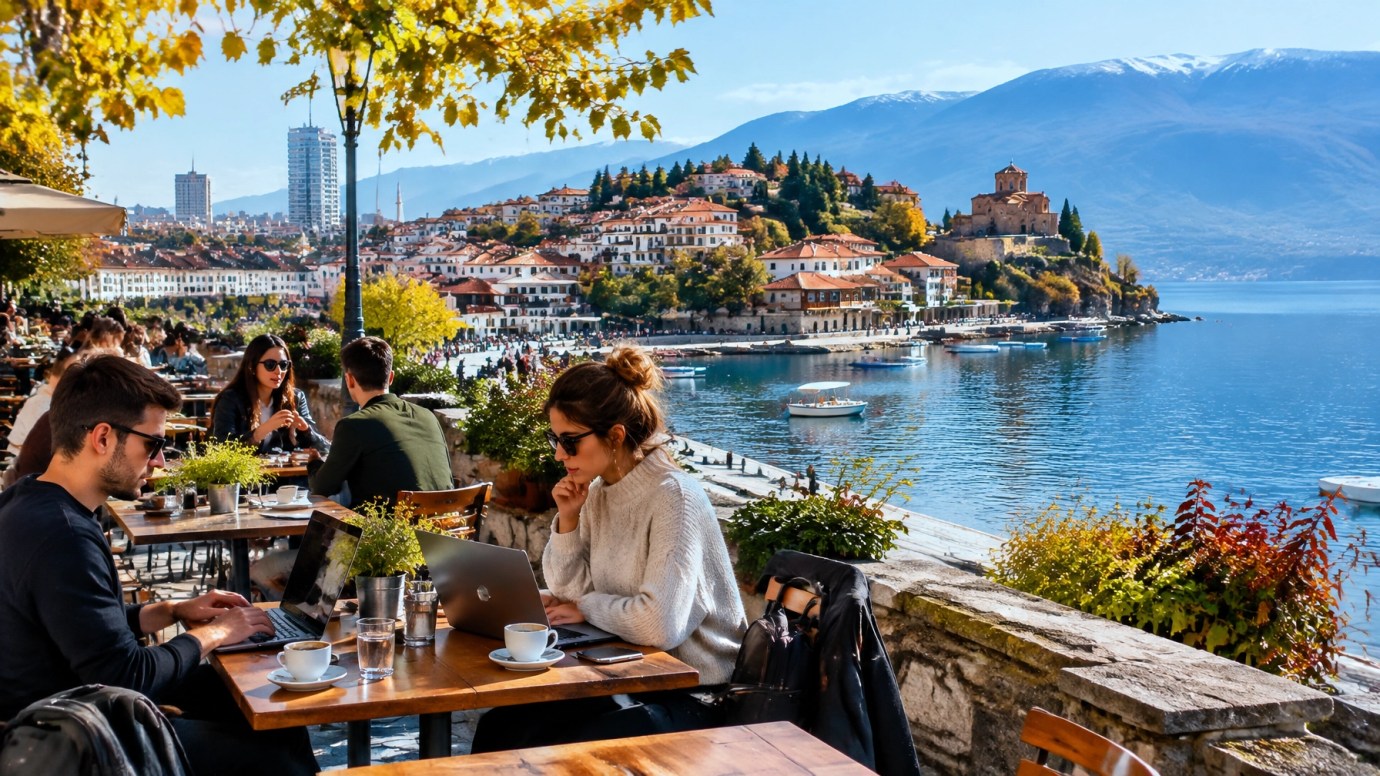
Pristina is not conventionally beautiful. It is young, energetic, and unfinished in a way that makes the city feel alive. Construction, new cafés, student bars, galleries, and ambitious restaurants all compete for space.
That restless energy is the attraction. Pristina has one of the youngest populations in Europe, and its café culture is central to daily life. The city is a strong choice for travelers who prefer local momentum over preserved old-town perfection.
Use Pristina as a base for exploring Kosovo’s wider landscape. Day trips can take you toward Prizren, mountain areas, and the Rugova region. The city also connects naturally with North Macedonia and Albania for a broader Balkan route.
Eat: Try flija, grilled meats, fresh salads, and Balkan pastries. Cafés are excellent for a slow breakfast or a few hours of remote work.
Cost: A realistic budget is around €30–40 per day for simple accommodation and local meals. A more comfortable trip may land between €60–90 per day, especially if you choose private accommodation and take several day trips.
Why now: Pristina still feels like a city travelers discover through recommendations rather than mass tourism. Its youthful population and affordable lifestyle make it particularly appealing to digital nomads and creatives.
Honest timing advice: Late spring and September are the safest bets for pleasant weather. October can be atmospheric, but mountain excursions become more weather-dependent. Do not expect the same polished visitor infrastructure as Sofia or Tirana; that is part of the adventure.
5. Ohrid, North Macedonia: The lake escape
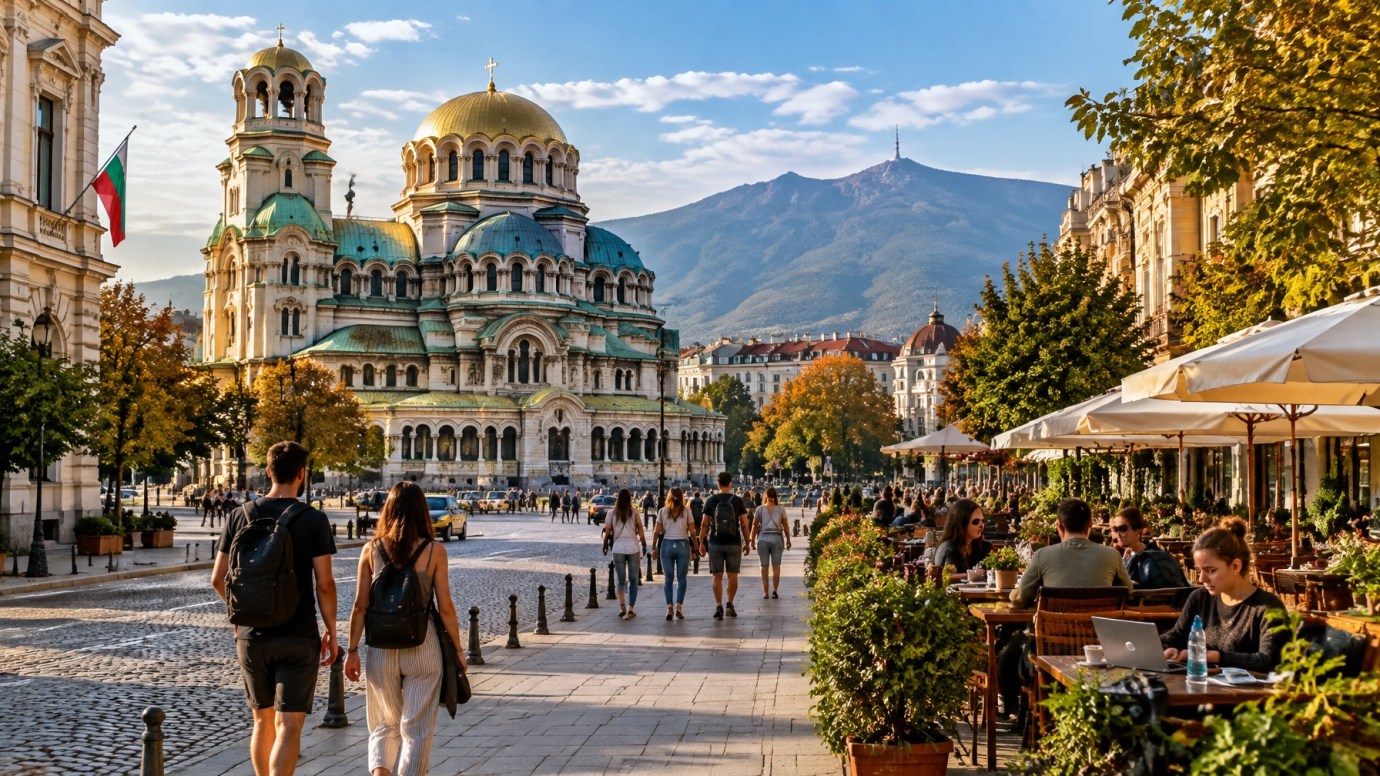
Ohrid is the exhale at the end of a fast-moving Balkan trip. Set beside one of Europe’s oldest and deepest lakes, the city combines clear water, hillside views, churches, stone lanes, and an easygoing café scene.
The old town is made for wandering. Climb toward Samuel’s Fortress, pause at Kaneo Church above the lake, and take a boat or swimming break whenever the day gets warm. Ohrid is more scenic than urban, so it suits travelers who want a slower base for a few days rather than a packed city itinerary.
It is also one of the best-value destinations on this list. In shoulder season, accommodation prices soften considerably, restaurants remain affordable, and the lake is far less crowded than during the July–August rush.
Eat: Order lake fish where responsibly sourced, along with tavče gravče, grilled vegetables, and North Macedonian wine.
Cost: Budget travelers can often manage on €25–35 per day. A comfortable private-room stay with meals and local activities may cost €40–60 per day.
Why now: Ohrid is already popular regionally, but it still feels calm outside peak summer. Its combination of scenery, history, affordability, and slower pace makes it ideal for a reset, or a remote-work week with a view.
Honest timing advice: Choose June or September for the best balance of warm weather, open services, and fewer visitors. July and August bring the liveliest lake atmosphere, but also the most crowded beaches and highest accommodation prices. In late October, some seasonal boat trips and tourist services begin to reduce their schedules.
How to plan your Balkan city break
For a first trip, avoid trying to cover the entire region in one frantic loop. Choose two or three cities and leave room for slower travel. A practical route could be:
Tirana → Pristina → Ohrid
Or, for a more history-focused trip:
Sofia → Sarajevo → Ohrid
Buses are generally the most useful form of intercity transport, but journey times can be longer than distances on a map suggest. Border crossings, mountain roads, and changing timetables are part of the experience. Build in flexibility, carry some cash, and check current schedules before departure.
For remote workers, bring a local SIM or eSIM as a backup, confirm Wi-Fi speeds with your accommodation, and choose a central neighborhood where cafés and grocery shops are within walking distance.
The Balkans are not undiscovered, but they are still uncrowded enough to feel personal. Go in late spring or September, stay curious, eat locally, and take the side street when everyone else is heading toward the obvious landmark. That is how you experience the region before the crowds arrive.