

Summer is no longer the automatic answer to “When should I travel?”
The 2026 fallcation trend is changing the calendar. Instead of squeezing every trip into July and August, travelers are moving their holidays into September, October and November for gentler weather, lower prices, thinner crowds and experiences that feel more local.
That timing works especially well for lesser-known destinations. The places below are not simply famous summer hotspots with fewer visitors. Each one has a genuine autumn advantage, whether that means grape harvests, comfortable hiking weather, warm seas or major cultural events.
Costs are estimated per person, per day, excluding international flights. They vary by travel style, but they offer a realistic starting point for planning.
1. Douro Valley, Portugal: Follow the grape harvest
The Douro Valley is at its most atmospheric from mid-September through October, when vineyards turn copper and gold and the annual grape harvest brings the hillsides to life.
This is a quieter alternative to the headline wine regions of Italy and France. The scenery is just as dramatic: steep terraced vineyards, winding river bends and small quintas scattered across the slopes. The difference is that you can often enjoy a tasting room, viewpoint or riverside restaurant without feeling like you are following a tour bus procession.
Why autumn wins: Harvest season adds a sense of occasion. Some estates offer traditional grape treading, vineyard walks and cellar visits, while the days are still warm enough for outdoor exploring.
What to do: Base yourself in Peso da Régua or Pinhão. Take a regional train along the river, book a small-producer tasting, hike between vineyards and spend an afternoon on a short Douro cruise. Midweek is best for both availability and atmosphere.
Realistic cost: Around €90–€160 per person per day, including a comfortable guesthouse, meals, local transport and one tasting. Tastings commonly begin around €20–€30, while upscale harvest experiences cost more.
Crowd level: Low to moderate. Harvest attracts visitors, but the valley remains considerably calmer than Portugal’s major city and coastal destinations.
For broader Portugal planning, check current seasonal information from Visit Portugal.
2. Slovenian Alps: Alpine scenery without the summer crush
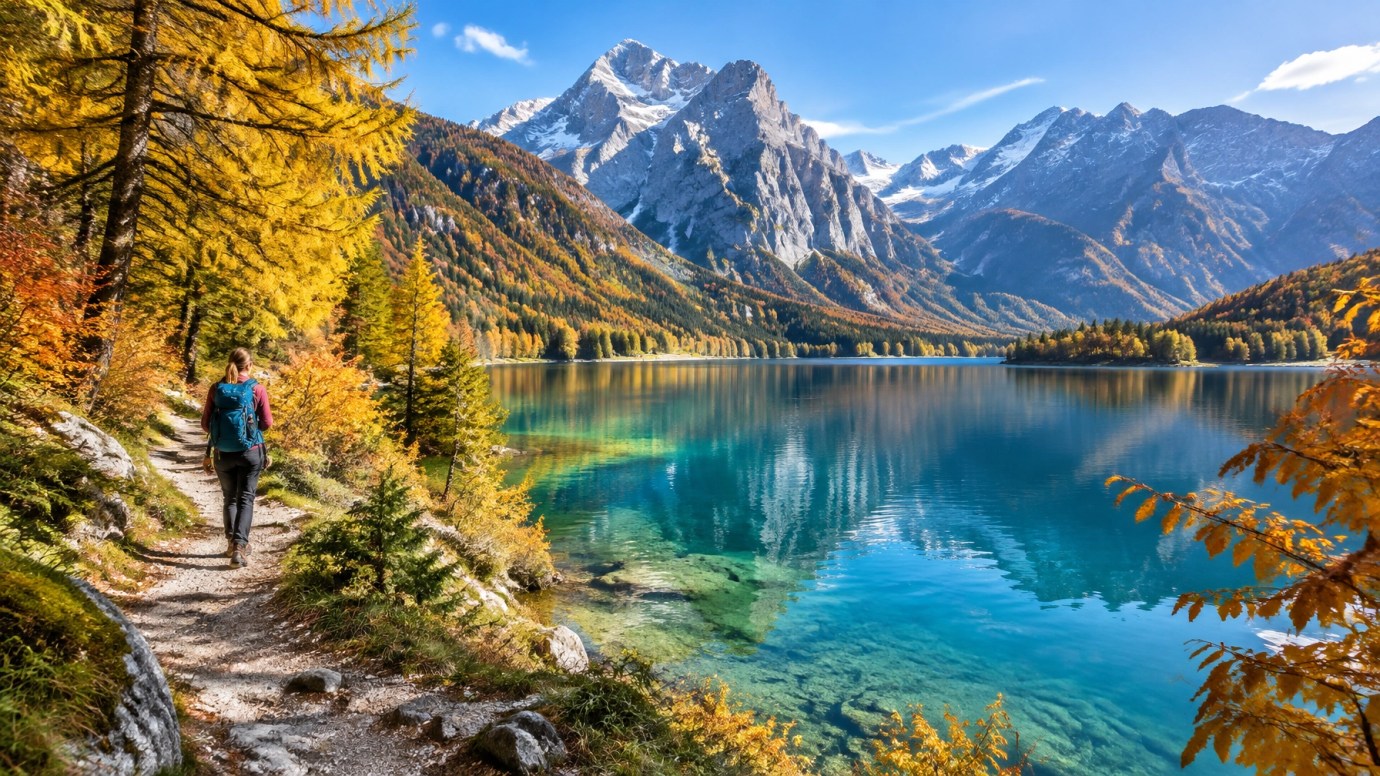
Slovenia’s Julian Alps deliver turquoise lakes, forest trails and high mountain views in a compact, easy-to-navigate package. September and early October are the sweet spot: hiking conditions are usually comfortable, the summer rush has faded and autumn color begins to appear around the lakes and valleys.
Lake Bled is the best-known stop, but the quieter reward is Lake Bohinj. It feels wilder, with fewer day-trippers and direct access to trails in Triglav National Park. Ljubljana also makes an excellent start or finish, offering a relaxed café scene and enough culture for a few urban days.
Why autumn wins: Temperatures are more comfortable for long hikes than in July and August, while the landscape gains a soft gold-and-green glow. By late October, higher trails can become cold or snowy, so check conditions before setting out.
What to do: Walk around Lake Bohinj, hike the Mostnica Gorge, cycle through the Upper Sava Valley and take the cable car toward Vogel for wide mountain views. Add two nights in Ljubljana for food markets, riverside bars and easy day trips.
Realistic cost: Around €75–€140 per person per day. Dorms and simple rooms can bring the budget lower; a private room, restaurant meals and mountain transport will push it upward.
Crowd level: Low to moderate, depending on whether you stay around Bled or venture deeper into the Alps.
Use Slovenia’s official tourism site for trail, transport and regional planning information.
3. Dahab, Egypt: Warm water and desert horizons
Dahab is a strong fallcation choice for travelers who want an active beach escape without the resort-bubble atmosphere. The Red Sea remains warm from September through November, and the town’s relaxed waterfront makes it easy to combine snorkeling, diving, desert excursions and slow mornings with a laptop.
Unlike many Mediterranean destinations, Dahab’s appeal does not disappear when summer crowds leave. In fact, the milder autumn air makes it easier to spend a full day moving between the coast and the desert.
Why autumn wins: The sea stays inviting, while October and November bring more comfortable conditions for hiking and desert trips than the hottest months. Visibility is often excellent for diving and snorkeling.
What to do: Snorkel or dive at the Blue Hole with a reputable operator, explore the Lighthouse area, hike in the Sinai mountains with a licensed guide and take a sunset excursion into the desert. The town is also well suited to a workation, with plenty of casual cafés and guesthouses.
Realistic cost: Around $45–$90 per person per day, excluding diving packages. Shore dives may cost roughly $35–$50, while accommodation and meals remain relatively affordable.
Crowd level: Low to moderate. The waterfront has energy, but Dahab feels far removed from Egypt’s larger package-tour resorts.
Always check current government travel advice, local conditions and operator credentials before booking activities in the Sinai.
4. Albania’s Riviera and Berat: Mediterranean weather after the rush
Albania is not completely undiscovered anymore, but autumn still reveals why the country became a favorite with independent travelers. September and October bring warm sea temperatures, quieter beaches and much more manageable conditions for exploring historic towns and mountain roads.
The trick is to avoid treating the country as one quick coastal stop. Combine the Riviera with Berat, Gjirokastër or a few days around Shkodër for a more rewarding trip.
Why autumn wins: July and August can be hot, crowded and expensive along the coast. By September, the sea is still comfortable, restaurants are operating and the roads are less congested. October is better for walking and sightseeing, though rain becomes more likely later in the month.
What to do: Swim near Himarë, explore the stone streets of Gjirokastër, visit Berat’s hillside castle and take a scenic drive through the Llogara Pass. Check ferry and bus schedules carefully if you are connecting with Greece or Montenegro.
Realistic cost: Around €35–€75 per person per day, depending on whether you use buses and family-run guesthouses or rent a car and stay on the coast.
Crowd level: Low in October; moderate in September, especially at the most photogenic beaches.
5. Lake Ohrid, North Macedonia: A lakeside old town at walking pace
Lake Ohrid offers the kind of historic, waterside atmosphere that draws travelers to Croatia and Montenegro, but with fewer cruise crowds and lower daily costs. Early autumn is ideal for combining swimming, walking and cultural sightseeing.
Ohrid’s old town climbs above the lake, with medieval churches, quiet lanes and viewpoints over the water. The surrounding Galicica National Park adds hiking and panoramic routes for travelers who want more than café time.
Why autumn wins: September can still feel like summer by the lake, while October brings crisp walking weather and softer light. November is quieter but cooler, and some seasonal businesses may reduce their hours.
What to do: Take a boat to St. Naum, swim from a lakeside beach, walk up to Samuel’s Fortress and hike in Galicica National Park. Allow time to simply sit beside the water; Ohrid rewards an unhurried itinerary.
Realistic cost: Around €35–€70 per person per day, including a private room, local meals, buses and modest activities.
Crowd level: Low to moderate in September; low in October and November.
6. Georgia: Autumn is the main event in Kakheti
Georgia’s appeal in autumn is especially concentrated around Kakheti, the country’s historic wine region. September and October are harvest months, when vineyards, family cellars and village tables become the center of local life.
This is a destination for travelers who prefer conversations and long meals to polished attractions. Tbilisi provides an energetic urban base, while Kakheti offers open landscapes, monasteries and wine experiences that feel personal rather than packaged.
Why autumn wins: Harvest is not just a seasonal backdrop here. It is a cultural event. The weather is generally comfortable for exploring, mountain views are clearer and the country remains remarkably affordable.
What to do: Spend time in Sighnaghi, visit family-run wineries, explore the Alazani Valley and try a supra, Georgia’s traditional feast. If you continue into the Caucasus, build in weather flexibility; mountain roads can change quickly later in the season.
Realistic cost: Around $30–$70 per person per day. A budget traveler can spend less, while private drivers, wine tours and higher-end restaurants raise the total.
Crowd level: Low to moderate. Harvest creates pockets of activity, but Georgia remains far quieter than Europe’s major wine destinations.

7. Guanajuato, Mexico: Color, culture and the Cervantino season
Guanajuato is a vivid colonial city of steep lanes, underground roads, hillside viewpoints and plazas that come alive after sunset. September and October offer warm days without the intensity of midsummer, while October’s Festival Internacional Cervantino brings an exceptional program of music, theater, dance and visual arts.
This is the most event-driven destination on the list. If you want the festival, book well ahead and expect higher prices. If you prefer quieter streets and better value, visit in early September or after the festival period.
Why autumn wins: The city is made for walking, and autumn temperatures are more comfortable for climbing its hills and exploring its maze-like neighborhoods. Cultural programming adds depth beyond the postcard scenery.
What to do: Wander the historic center, ride up to the Pipila Monument, visit the Diego Rivera House Museum and seek out small music venues and neighborhood cafés. Plan day trips to nearby San Miguel de Allende only if you are comfortable trading some of Guanajuato’s atmosphere for a busier destination.
Realistic cost: Around $40–$90 per person per day, excluding festival splurges and long-distance transport.
Crowd level: Low to moderate in September; high during Cervantino; moderate afterward.
How to plan your own fallcation
The best autumn trips are built around a destination’s seasonal personality, not just a cheaper flight.
Start by choosing your timing:
- September: Best for warm seas, alpine hiking and the early wine harvest.
- October: The most balanced month for Europe, cultural travel and outdoor adventures.
- November: Better for warmer destinations such as Dahab, Guanajuato and lower-altitude city breaks.
Then travel midweek whenever possible. Monday-to-Thursday stays can make a major difference in small towns, wine regions and event destinations. Book flexible accommodation, especially if your trip crosses from October into November, when weather can shift quickly.
Finally, do not assume every “shoulder season” benefit applies everywhere. Check harvest dates, festival calendars, trail closures, sea conditions and local transport before you commit. That small amount of research is what turns an off-season trip into a genuinely better one.
For more inspiration, compare this slower, seasonal approach with our guides to Santorini and Patagonia. The principle is the same: go when the place gives you its best experience, not simply when everyone else is going.
