

Iceland’s quieter corners aren’t secret so much as a little farther along the road. They ask for more time, a flexible plan and the willingness to swap a packed schedule for a slow drive through small towns and big landscapes.
These seven stops range from an easy peninsula detour to a roadless nature reserve and remote Highland routes. Pick one region and explore it properly rather than trying to fit the whole island into a week. And remember: a place can feel wonderfully quiet one day and busy the next. Early starts and overnight stays are your best tools for finding a little more space.
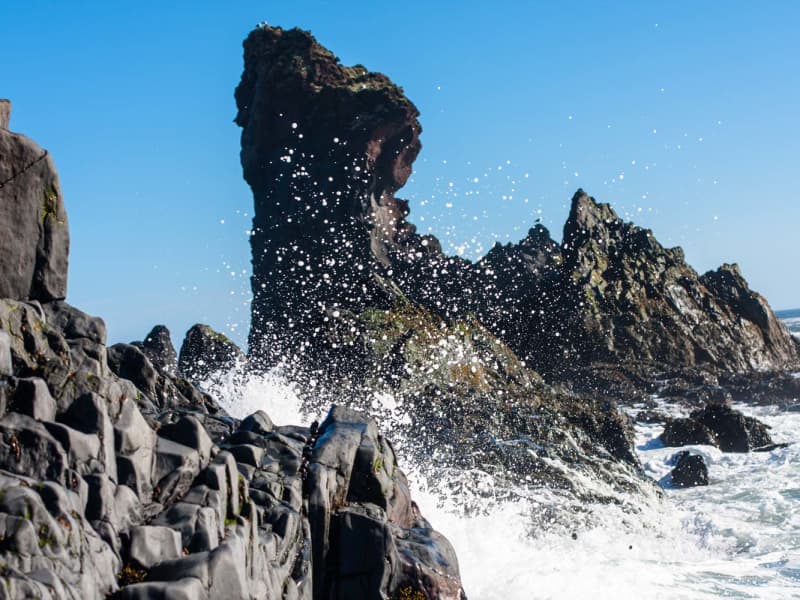
1. Snæfellsnes Peninsula: a varied west-coast road trip
About a two-hour drive from Reykjavík, Snæfellsnes is one of the easiest ways to trade the Golden Circle for a more spacious itinerary. The peninsula brings together lava fields, fishing villages, beaches, sea cliffs and Snæfellsjökull National Park along a loop of coastal roads. Give it at least two nights, and use the towns as places to pause, not just sleep.
Take Route 54 around the peninsula, then leave room for a walk near Arnarstapi and Hellnar or a stop at Djúpalónssandur. The famous Kirkjufell area can draw visitors, especially around midday in summer. Go early or later in the evening, and use the middle of the day to explore a village or stretch your legs on a quieter trail.
Late spring and September may bring fewer visitors, but Icelandic weather and road conditions matter more than the calendar. Check the West Iceland guide to Snæfellsnes before setting out.
2. Rauðasandur: take the long way to a red-gold beach
On the southern edge of the Westfjords, Rauðasandur feels a world away from Iceland’s black-sand postcard beaches. This roughly 10-kilometre shoreline shifts in color with the light, from pale gold to rosy tones. Seabirds and seals share the coast, and a long walk lets the beach become the destination rather than a quick photo stop.
The approach is part of the adventure. Route 614 winds through remote Westfjords scenery, so allow extra time and don’t rush the final stretch. Check current road conditions before leaving, and never drive onto the beach. Summer is generally the most straightforward season for access. Shoulder-season trips can be quieter, but conditions are less predictable. Arrive early or stay nearby to explore in the softer evening light.

3. Dynjandi: a waterfall worth building your day around
Dynjandi pours down the mountainside above Arnarfjörður in a broad series of cascades. It’s one of the Westfjords’ best-known sights, but the scale of the landscape makes it more than a quick roadside stop. The falls are a sequence of six, with the main cascade rising about 100 metres.
From the designated parking area, follow the uphill trail past smaller waterfalls toward the main cascade. The walk takes about 15 minutes each way, but plan on at least 45 to 60 minutes to explore and enjoy the views. Parts of the route are rocky and uneven, so take care, particularly on wet ground.
Reach Dynjandi by car on Route 60, but don’t underestimate the drive. Fjords and mountain passes make map distances deceptive. Summer is usually the most reliable season for a longer road trip. For a calmer visit, aim for earlier in the day and avoid stacking several long drives back to back. Check the region’s road and driving guidance before you go.
4. Hornstrandir: Iceland without roads
If you’re after real remoteness, look north to Hornstrandir Nature Reserve. There are no roads into the reserve, no permanent settlements and very limited infrastructure. Reaching it means arranging a boat trip, commonly from Ísafjörður or Bolungarvík, then planning a hike or overnight stay.
This is not a spontaneous add-on. Boat services are seasonal, mobile coverage is limited, and weather can change quickly. For a longer hike, bring navigation and safety equipment, enough food for possible delays, and clothing for changing conditions. A day trip is an option if you want to experience the reserve without committing to a multi-day route.
Summer is the usual window for access. Book transport ahead and leave room in your itinerary in case weather affects the crossing. The reserve’s visitor information covers access, wildlife and practical considerations. Travel must also be registered during sensitive periods from 1 March to 15 June and 1 September to 1 November. Check current official guidance and registration requirements.
5. Mjóifjörður: a slow drive into East Iceland
Mjóifjörður is a narrow, remote fjord in East Iceland, reached by a road that winds between steep slopes and the sea. The drive is the outing. Pause for waterfalls and coastal views, check conditions and don’t expect to cover the route at the same pace as a major paved highway.
Access is seasonal: the East Iceland tourism board says the road is open for about four months of the year, depending on weather. Outside that window, the fjord is accessible by scheduled boat from Norðfjörður. If driving, check the status of Road 953 before heading in. A rental car can give you flexibility, but confirm that its terms suit your route. Services are limited, so bring water and snacks and fuel up when you can. An overnight in the Eastfjords means you can enjoy the drive without squeezing it between long travel days. See the Mjóifjörður visitor guide for local details.
6. Borgarfjörður Eystri: puffins, trails and a small-town base
This East Iceland village makes a rewarding base for hikes and coastal scenery. At Hafnarhólmi, a harbor islet near town, puffins nest from around mid-April to early August, according to Visit Austurland. The viewing area is designed to bring visitors close to the action, but follow local guidance and keep a respectful distance from wildlife.
For a bigger day out, look into the hike to Stórurð, where boulders and pools sit beneath the Dyrfjöll mountains. It’s a full-day outing, so check local trail and weather information before you leave and be ready to adjust your plans. You’ll need to drive from Egilsstaðir, away from the Ring Road and into a quieter corner of the east. Summer is the best bet for hiking and puffin-watching, though it’s also the busiest season. For more route ideas, explore the Eastfjords’ Fjord Way.

7. The Highlands: big space, short season
The Highlands are the most demanding entry on this list, and the one that needs the most careful planning. Mountain roads open according to snow and weather conditions, not a fixed date. Some routes require an appropriate 4WD vehicle, and conditions can change quickly. Don’t assume a rental car is permitted on a particular road just because it has four-wheel drive.
Plan for the summer access window, but confirm that your chosen road is open on the day you travel. Check the Icelandic Road and Coastal Administration’s mountain-road information, and never drive on a closed road or attempt a river crossing beyond your experience. For fewer visitors, avoid peak midday arrival times. A guided trip may be the right call if you don’t have the vehicle, skills or confidence for the route.
A few habits that make an Iceland trip feel quieter
- Pick a region, not a checklist. Snæfellsnes is an easy extension from Reykjavík; the Westfjords and Eastfjords reward travelers who can give them several days.
- Travel early or late. Many visitors arrive at popular stops around the same time. A dawn walk or evening viewpoint can change the feel of a place.
- Stay local. Overnighting in a small town means less backtracking and more time to explore nearby roads and trails.
- Check conditions every day. Icelandic weather and road access can shift fast. Review current road conditions and the Icelandic Met Office forecast before driving.
- Leave room in the plan. In remote areas, fuel, food, accommodation and transport options can be limited. A little flexibility is part of the trip.
The quiet side of Iceland isn’t about finding a place no one has seen. It’s about giving yourself time to notice what’s between the famous stops: a changing fjord, a small harbor, a trail that takes longer than expected, or a village where the day slows down. For more ideas beyond the usual itinerary, explore destinations on Awesome Places.